
Condom Silence Leaves People Without a Vital Fact
External condoms create a physical barrier that helps prevent semen, vaginal fluids, and blood from passing between partners. When used correctly and consistently, they reduce the risk of sexual HIV transmission. They do not eliminate that risk.
Those facts belong at the start of a Catholic discussion about condoms because readers need the mechanism before they encounter the moral argument. A single efficacy percentage would give false precision: protection changes with condom type, exposure route, breakage, use errors, and the presence of other prevention measures.
Catholic compassion should require truthful, life-protecting condom education rather than silence or evasive language.
Silence has a practical cost. A person who has never been told when to apply a condom, whether it can be reused, or how lubricant affects the material lacks information needed to reduce harm. Consistent use means using a new condom for every act of vaginal or anal sex and putting it on before genital contact. Applying one partway through an encounter removes part of the intended protection.
A parish leaflet may express Catholic teaching on marriage and sexuality. Once that leaflet discusses HIV prevention, accuracy becomes a duty. Readers should leave understanding the relevant health measure, even when the institution asks them to make a different moral choice.
What Catholic Compassion Requires in an HIV Conversation
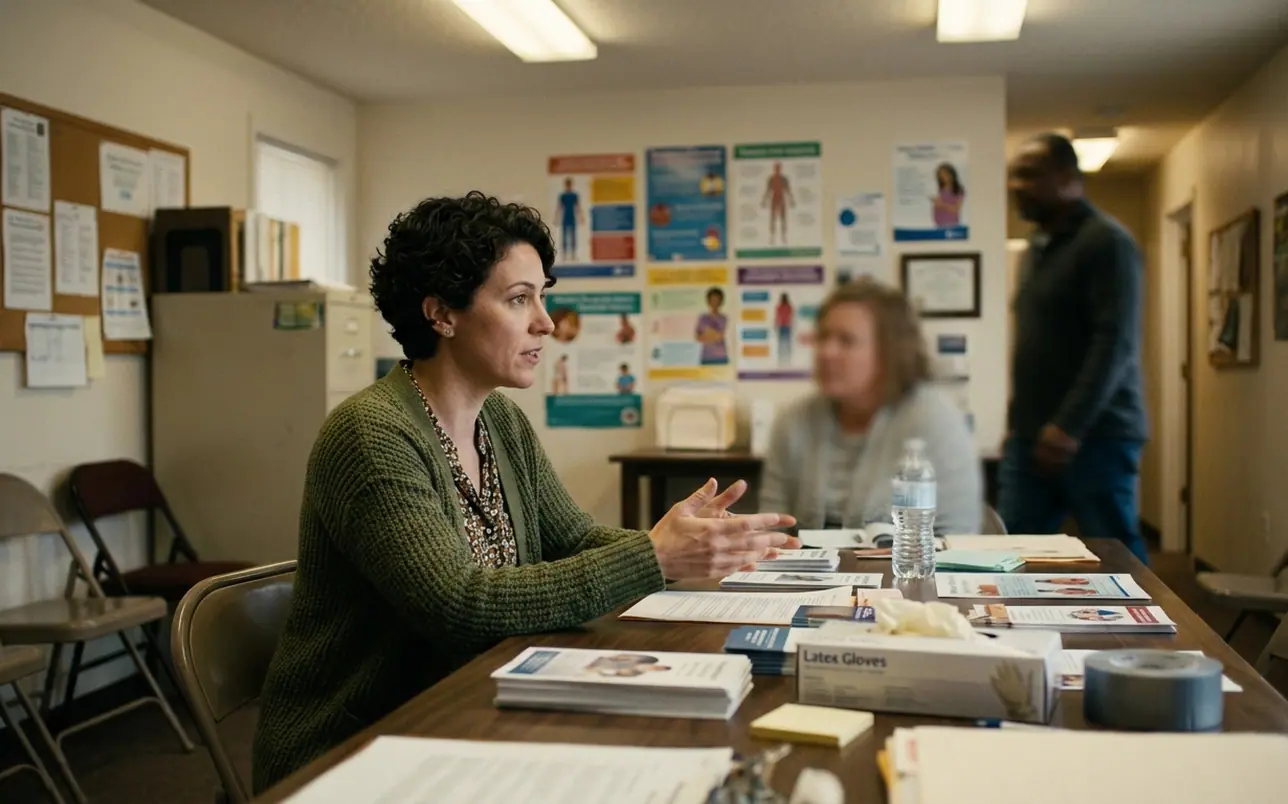
A person asking about HIV may be frightened, ashamed, or unsure whether an exposure warrants urgent care. The first pastoral task is to listen without guessing the person’s marital status, sexual orientation, HIV status, contraceptive intent, or ability to negotiate condom use.
Dignity changes the sequence of the conversation. The listener identifies any immediate medical need, gives the health facts in direct language, distinguishes those facts from institutional moral guidance, and offers a usable route to care. Euphemisms waste time and can leave the person wondering what was actually said.
The Seventy-Two-Hour Line
Anyone reporting a possible HIV exposure within the previous 72 hours should be directed promptly to a qualified medical service. Post-exposure prophylaxis is time-sensitive and must begin no later than 72 hours after exposure. A doctrinal discussion must never obscure that deadline.
This is the pulpit-to-clinic boundary: doctrine may guide conduct, while clinical information must preserve the stated mechanics of a condom and the urgency of emergency HIV prevention.

A compassionate response can still name a Catholic moral framework. It can discuss fidelity, responsibility, care for one’s neighbor, and protection of life without humiliating the person seeking help. The tone matters because shame can close a conversation before testing, treatment, or prevention is addressed.
Pastoral observation can reveal the human consequences of silence; it cannot diagnose an individual, choose an HIV-prevention regimen, or represent every Catholic community. That boundary makes an accurate referral part of pastoral care rather than an afterthought.
Why Catholic Moral Teaching Cannot Excuse Medical Omission
Some Catholic institutions fear that explaining condoms will appear to endorse sex outside marriage, contraception, or other conduct they teach against. That concern shapes school policies, parish materials, counseling scripts, and public statements.
Factual explanation and moral approval perform different jobs. Describing a barrier method does not require presenting every possible sexual choice as morally equivalent. An institution can state its teaching and still explain what a condom does, when protection is compromised, and why condoms form one part of HIV prevention.
Where Condom Protection Breaks Down
Honest instruction should identify late application, early removal, tearing, slippage, reuse, and expired or damaged packaging as potential points of failure. It should also cover lubricant compatibility. Oil-based products such as petroleum jelly, massage oil, and cooking oil can damage latex condoms; water-based and silicone-based lubricants are generally compatible with latex.
The separate objection that condoms offer incomplete protection is accurate. Educators should say so plainly. The proper response is a fuller explanation of limitations, not the removal of the option from HIV education.
The policy choice is between combining doctrine with clinically accurate disclosure and allowing concern about implied endorsement to narrow the medical information a reader receives. The first approach treats Catholics as moral agents capable of hearing both categories and making accountable decisions.
What Honest Condom Education Must Put on the Page
A useful condom lesson covers five parts: barrier mechanics, correct-use conditions, failure limits, linked HIV services, and separately labeled Catholic moral guidance. Mixing these categories into a single moral warning makes it difficult for readers to identify the action that protects health.
Minimum External-Condom Instruction
- Check the package for damage and confirm that the condom has not expired.
- Open the package without teeth or sharp objects that could tear the material.
- Place the condom before genital contact, pinch the reservoir tip, and roll it fully into place.
- Use a lubricant compatible with the condom material.
- Hold the base during withdrawal, then discard the condom after one use.
The surrounding HIV material should also address testing, consent, partner communication, access to treatment, pre-exposure prophylaxis, post-exposure prophylaxis, and referral to qualified care. It should avoid guaranteed-protection language and any attempt to diagnose the reader.
From Draft Copy to Responsible Guidance
Parishes, Catholic schools serving appropriate age groups, pastoral counseling programs, and community outreach teams can use the same five-stage editorial workflow:
- Inventory every current reference to HIV and condoms, including handouts, web pages, lesson plans, and referral sheets.
- Separate clinical statements from theological commentary so readers can tell which kind of claim they are reading.
- Send each clinical statement to a qualified sexual-health or HIV clinician for review.
- Create a confidential route through which readers can ask questions without public disclosure or shame.
- Attach current local information for testing, prevention, treatment, and urgent care.
Each clinical claim needs an assigned owner, a recorded source, and a review date. A change in public-health guidance, referral details, or intended audience should trigger another accuracy pass. This record prevents obsolete wording from surviving simply because it appeared in last year’s booklet.
Plain language works best: “A condom creates a barrier,” “Use a new condom for each act,” and “Seek urgent medical care after a recent possible exposure.” Readers can act on those sentences. Shame, insinuation, and unexplained euphemism provide no comparable guidance.
Turn Catholic Compassion Into a Line-by-Line Accuracy Review
A pastoral voice earns credibility by telling the truth clearly, treating people as moral agents, and taking preventable harm seriously. Honest condom education does not settle every Catholic dispute about sexuality. Its immediate purpose is narrower: people should understand a relevant HIV-prevention option and know where to obtain timely care.
Faith leaders, educators, and advocates can test existing material from the reader’s position. Does each sentence explain the prevention option? Does it blur medicine with doctrine? Does it shame the person seeking help? Does it omit the next place to obtain care?
Final sign-off should confirm that telephone numbers, web addresses, service locations, confidentiality information, and eligibility details remain current on the publication date. A correct explanation followed by an unusable referral still leaves the reader stranded.
Before distributing the material again, schedule a line-by-line review with a qualified local clinician and verify every statement about condom barriers, correct use, limitations, HIV testing, prevention options, and urgent referral.











Share Your Opinion