
Why Condom Policy Becomes a Public-Health Consequence
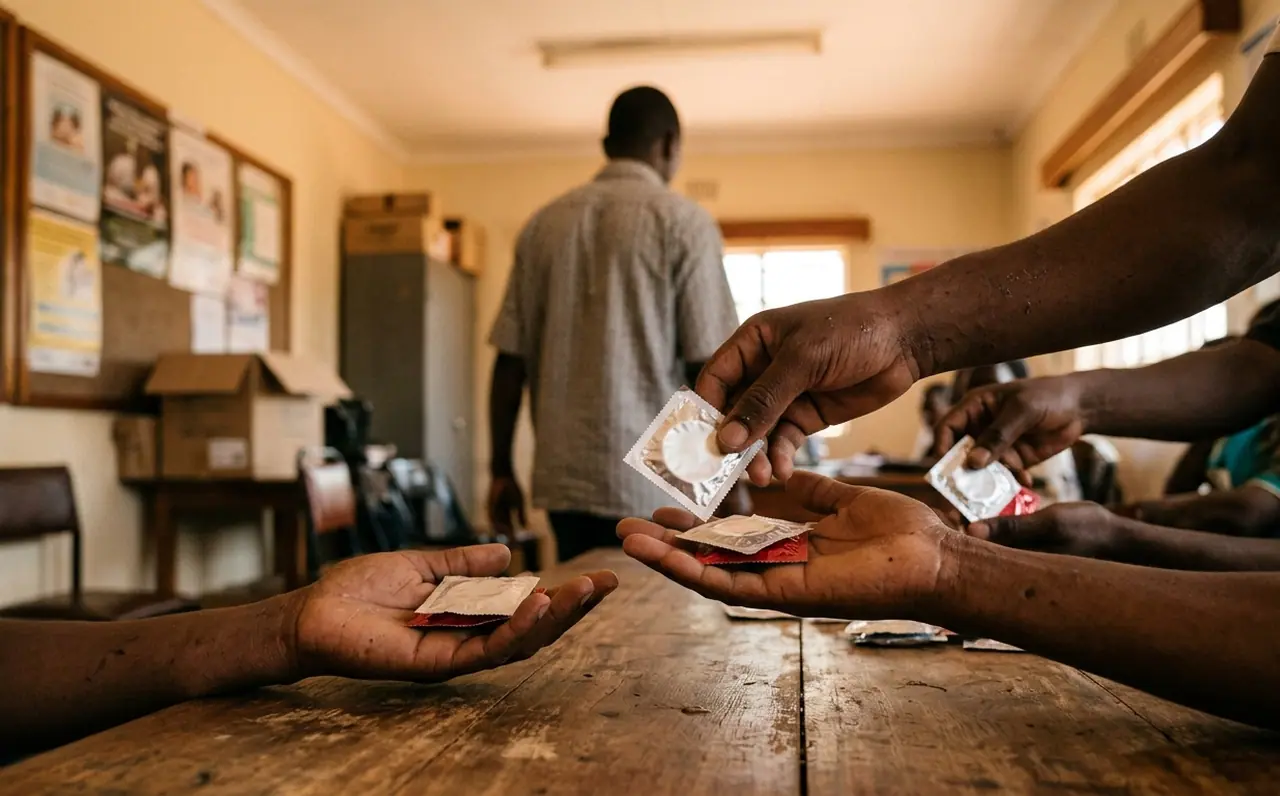
In regions with high HIV prevalence, condom restrictions do not stay inside theology seminars or parish statements. They move into clinic rooms, school lessons, premarital counseling, radio interviews, and family conversations where people decide what risks they can name out loud.
This article reads the older Condoms4Life material as an impact report, not a polemic. I am using a historical source record, and I am also writing with respect for the nurses, teachers, priests, sisters, lay Catholics, and health workers who have tried to keep people alive under difficult conditions.
The core question — do condoms prevent AIDS? — deserves a direct answer: latex condoms reduce HIV transmission risk when used correctly and consistently. That statement is not a complete HIV strategy, but it is a necessary one.
What matters here is consequence. A bishop’s public claim, a school administrator’s curriculum rule, a clinic counselor’s silence, or a public official’s refusal to support condom access can change what people are told, what they believe, and what protection they use.
Key point: Condom policy becomes a public-health issue when it limits accurate prevention information for people already facing high HIV risk.
The Data Context: What We Can Measure, and What It Means
Define the denominator before arguing from it
Adult prevalence rate means the percentage of people aged 15–49 living with HIV. It is not the same as total population count, new infections, lifetime risk, or the number of people receiving treatment.

That distinction sounds technical until it is misused. A country can have a lower adult prevalence rate than another country and still have a large number of people living with HIV because its population is larger. A region can also have a high burden that does not show up clearly if the reader confuses prevalence with incidence.
For HIV statistics, this report treats UNAIDS as the primary source family, including the May 2006 Global AIDS Epidemic report and the June 2000 UNAIDS report where relevant. Readers checking the historical record can start with UNAIDS HIV reports and documents.









Share Your Opinion